

For millions of online sellers, USPS is more than just a shipping provider—it’s the backbone of affordable, reliable last-mile delivery in the U.S. That’s why this year’s National Postal Forum(NPF 2025), held in Nashville, TN, drew serious attention from logistics professionals, technology providers, and multichannel sellers alike.
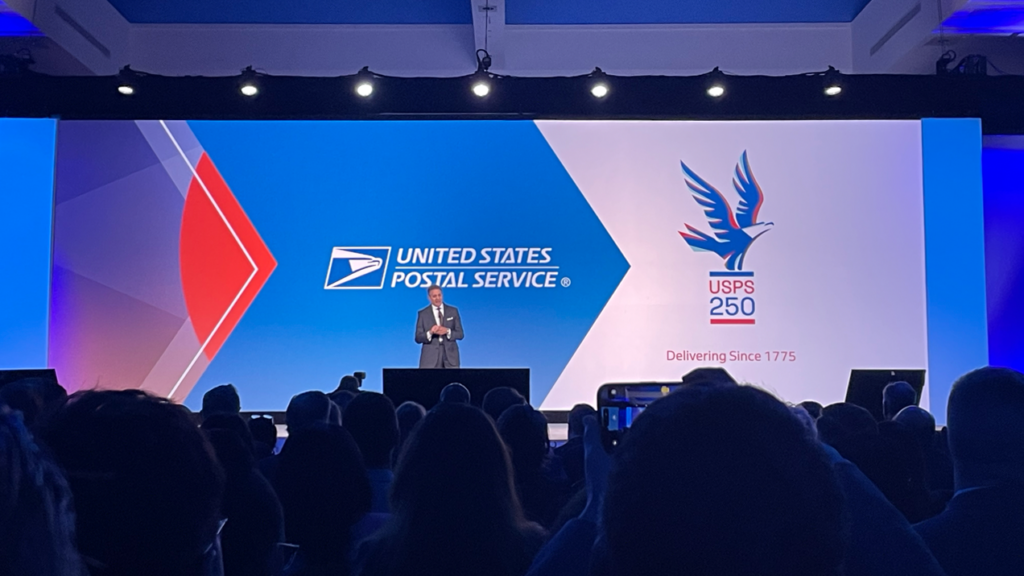
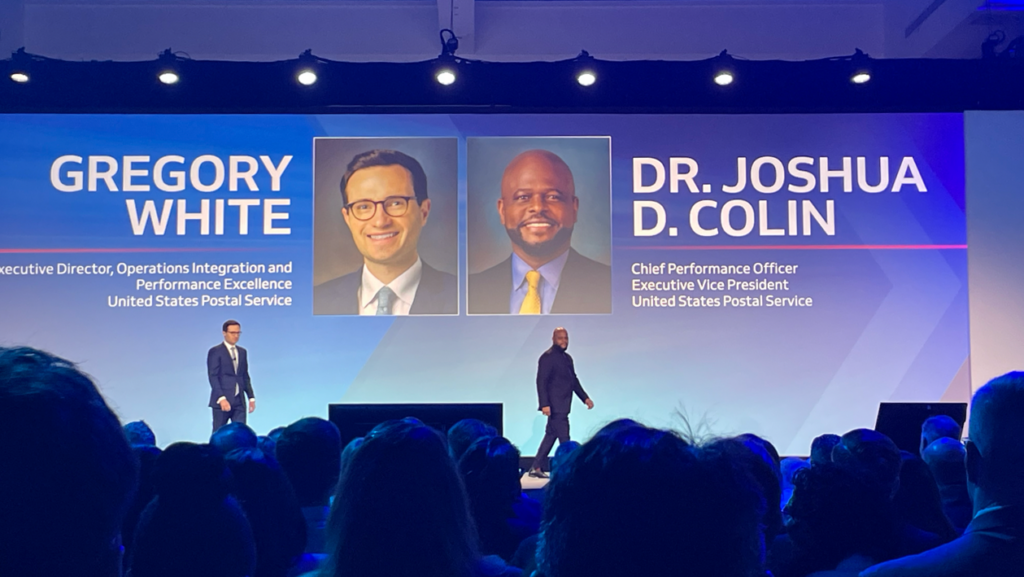
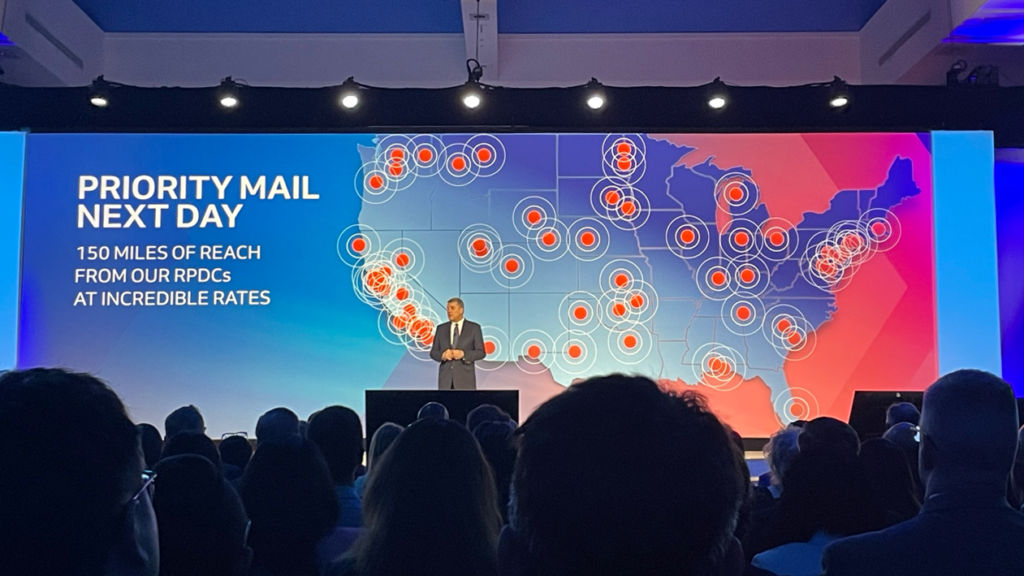
At Synctify, we joined the four-day event to gain firsthand insights into how USPS is evolving—and what that means for the future of eCommerce fulfillment. What we saw confirmed it: USPS is entering a new chapter, modernizing infrastructure, improving automation, and taking fraud prevention seriously.
Before the Upgrade: USPS Has Faced Years of Operational Pressure
While USPS continues to serve as a cornerstone for small parcel delivery—especially for platforms like eBay, Shopify, Etsy, and Walmart Marketplace—it hasn’t been immune to growing pressure. Over the past several years, USPS has encountered:
- Persistent financial deficits tied to regulatory burdens and pension pre-funding
- Delivery delays during peak seasons, drawing scrutiny from businesses and consumers alike
- Outdated digital tools that lagged behind private carriers in automation and visibility
- Label fraud and misuse, often involving unauthorized discounts and high-volume abuse
These challenges have made one thing clear: USPS can no longer operate on legacy systems. At NPF 2025, the Postal Service showed clear intent to modernize—and better support the needs of today’s online sellers.

1. USPS Is Going All-In on API and Cloud Integration
One of the biggest shifts announced at NPF is USPS’s commitment to retiring legacy tools like WebTools and eVS. In their place, the Postal Service is investing in a fully cloud-based API platform.
The new USPS API suite supports:
- Real-time rate lookup and shipment creation
- Automated label generation and tracking
- Access to delivery and billing data in a standardized format
This upgrade means smoother integration with OMS platforms like Synctify, enabling sellers to automate shipping tasks end-to-end—from printing a label to syncing tracking numbers back to sales channels.
2. USPS Commercial Rates and Tools Are Now More Accessible
USPS isn’t just modernizing for enterprise shippers. In fact, NPF showcased a strong emphasis on supporting small and medium-sized sellers—many of whom still rely on manual workflows or print labels across multiple tools.
Solutions like Click-N-Ship Business Pro now allow sellers to:
- Access commercial shipping rates
- Batch-print labels with preset rules
- Manage USPS shipments without a negotiated contract
For growing DTC brands, these tools reduce operational friction and enable a more cost-effective shipping experience.
3. Tracking Sync Gets Smarter with Real-Time Webhooks
USPS is finally catching up with private carriers when it comes to real-time tracking. With the introduction of webhook support, sellers (and their systems) can now receive instant status updates as packages move through the USPS network.
This enables:
- Faster order status updates across platforms
- Fewer customer service tickets related to “where’s my order?”
- A better overall post-purchase experience for end customers
Synctify is preparing to support USPS webhooks so sellers can take advantage of this feature as soon as it becomes available within our platform.
4. USPS Is Taking Label Fraud Seriously
Label fraud—particularly through false addresses or unauthorized access to bulk rates—has long plagued the shipping industry. At NPF 2025, USPS held multiple sessions focused entirely on label abuse and fraud detection.
New anti-fraud initiatives include:
- Address validation and delivery point verification(DPV)
- Improved usage monitoring to detect unusual volume spikes or duplicate shipments
- Smarter audit tools that cross-check shipment and billing data in real time
These efforts signal that USPS is committed to creating a more secure and sustainable shipping ecosystem for all legitimate sellers.
5. USPS Reform Means Sellers Must Rethink Their Workflow
With USPS phasing out outdated systems and introducing stricter standards for automation, fraud detection, and data consistency, sellers need to modernize their fulfillment workflows. Those who stay ahead of the curve will benefit from:
- Lower operational costs through automation
- Fewer errors and missed shipments
- Better performance tracking and delivery insights
Synctify Is Preparing for USPS’s New Era
Synctify is currently finalizing integration with USPS’s new API platform as part of our upcoming Fulfillment module upgrade.
In the next release, sellers will be able to:
- Generate USPS shipping labels directly within Synctify
- Automatically sync tracking updates via USPS webhooks
- Manage return shipments and review USPS delivery performance data
- Eliminate manual processes tied to labels and tracking
With this integration, sellers will soon be able to streamline their USPS workflow without relying on external tools or fragmented systems—all within the Synctify dashboard.
Final Thoughts: USPS Modernization Is a Win for Sellers
USPS is changing—and for the better. By investing in API-first systems, automation tools, and fraud prevention measures, the Postal Service is becoming a more reliable, competitive option for today’s eCommerce operations.
If you’re looking to simplify your USPS shipping process, reduce manual work, and align with USPS’s next-generation standards, Synctify will help you get there—faster and smarter.
👉 联系我们 to get early access to Synctify’s USPS integration.
Subscribe to Our Newsletter
Get the latest releases, news and more!