Amazon Vendor Central Operations: The Real“Order Workflow” Behind Direct Fulfillment (DF)
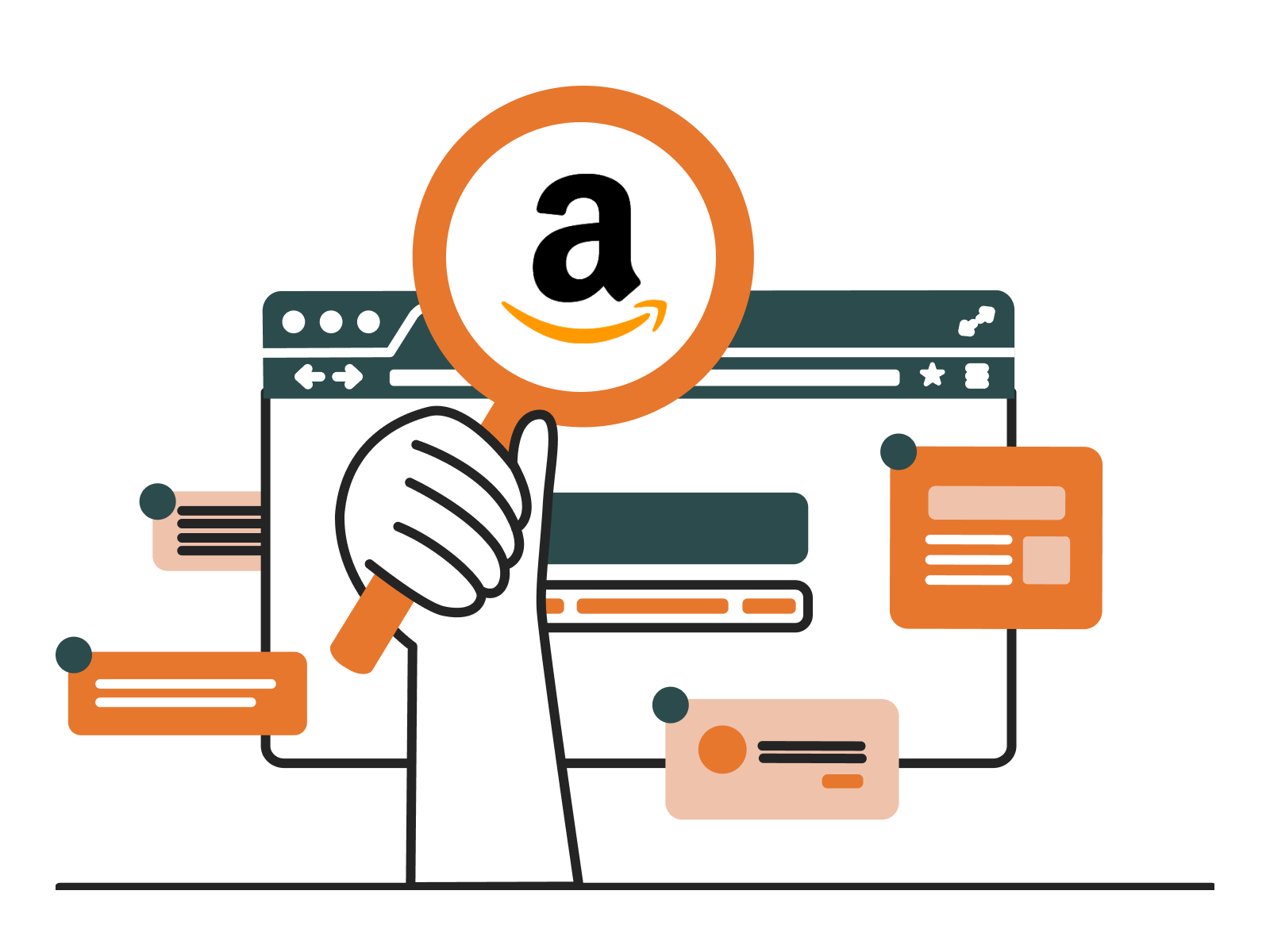
A conceptual illustration for Amazon Vendor Central operations showing a hand inspecting an Amazon logo through a magnifying glass over a web interface. Floating data modules surround the screen, representing the critical "Document Flow" such as PO Acknowledgement and shipment tracking, emphasizing the article's theme that operational success depends on data integrity beyond just physical shipping.

Why Vendor Central success is built on data integrity (PO Acknowledgement, shipping labels, tracking, and shipment confirmation)—not just shipping boxes If you sell on Amazon Vendor Central (1P), it’s easy to assume operational success means “we shipped the order.” In reality, Amazon evaluates fulfillment through a chain of system events and documents: Purchase Order (PO) … Read more

Synctify Is Now Certified for Walmart Supplier One — Now Live in the Supplier One App Store

Synctify flag and Walmart Supplier One logo shield, representing the certified integration and partnership.

Synctify has officially achieved Walmart Supplier One certification, and our app is now live on Supplier One App Store. With a simple authorization flow, Walmart 1P suppliers can connect Supplier One to Synctify to automate day-to-day operations like order processing, inventory management, and invoice visibility—without building a custom integration. If you’re running a Walmart 1P … Read more

Synctify UI Update: Smarter Shipment Tracking, Enhanced Data Hub, and Amazon Finance API Integration

Illustration of a user working on Synctify with floating UI modules representing updates to shipment tracking, data management, and configuration features.

A More Streamlined Way to Manage Multi-Channel Operations Synctify continues to strengthen its role as an end-to-end platform for order automation, inventory sync, and multi-channel eCommerce integrations. This month’s UI updates focus on three critical workflows that drive operational efficiency — shipment verification, product data accuracy, and Amazon financial visibility. These enhancements don’t just modernize … Read more

From Factory to Brand: How Synctify Helps Manufacturers Win in B2C

Two illustrated characters represent the shift from factory to brand — on the left, a manufacturer holding products with a gear and lightbulb icon, connected by Synctify’s logo to a brand owner on the right working on an e-commerce interface, symbolizing business transformation powered by Synctify.

The Global Shift: From Supplying Brands to Becoming One Across the world, manufacturers are rethinking their role in the value chain. Instead of producing for other labels, many are now exploring direct-to-consumer(D2C) strategies—building their own brands and selling directly to end users through digital channels. Why manufacturers are moving toward D2C models This transformation promises … Read more

Tackling Amazon Vendor Central Challenges: A Case Study from a Global Home Goods Supplier

Illustration of a person presenting charts with KPI metrics and an Amazon “a” icon, symbolizing Vendor Central automation and performance improvements.

Amazon Vendor Central (VC) is a wholesale program where suppliers sell directly to Amazon, but it comes with challenges such as compliance rules, large-scale order management, and complex inventory synchronization. This case study explains the main challenges and how one of the world’s top five home goods suppliers solved them with Synctify. Customer Background Our … Read more

Which Sales Platform Should You Choose? A Question-Led Guide for Amazon, Walmart Marketplace & Retail Dropship (Wayfair, Home Depot, Lowe’s)

Illustration of a person weighing two sales platform options, looking uncertain, with question marks around—symbolizing the challenge of deciding between 3P marketplaces and retail dropship programs.

Nearly every supplier asks: “Where should we launch first?” The honest answer is fit—category behavior, logistics (parcel vs. LTL), tech readiness (API/EDI), and unit economics. In a few focused questions, we’ll quickly highlight how Amazon/Walmart, Wayfair, Target Plus, and Home Depot/Lowe’s differ—and which sellers each platform best suits. What does “fit” really mean when choosing … Read more

Smart Order Routing in E-commerce: Why It Matters for Multi-Warehouse Sellers

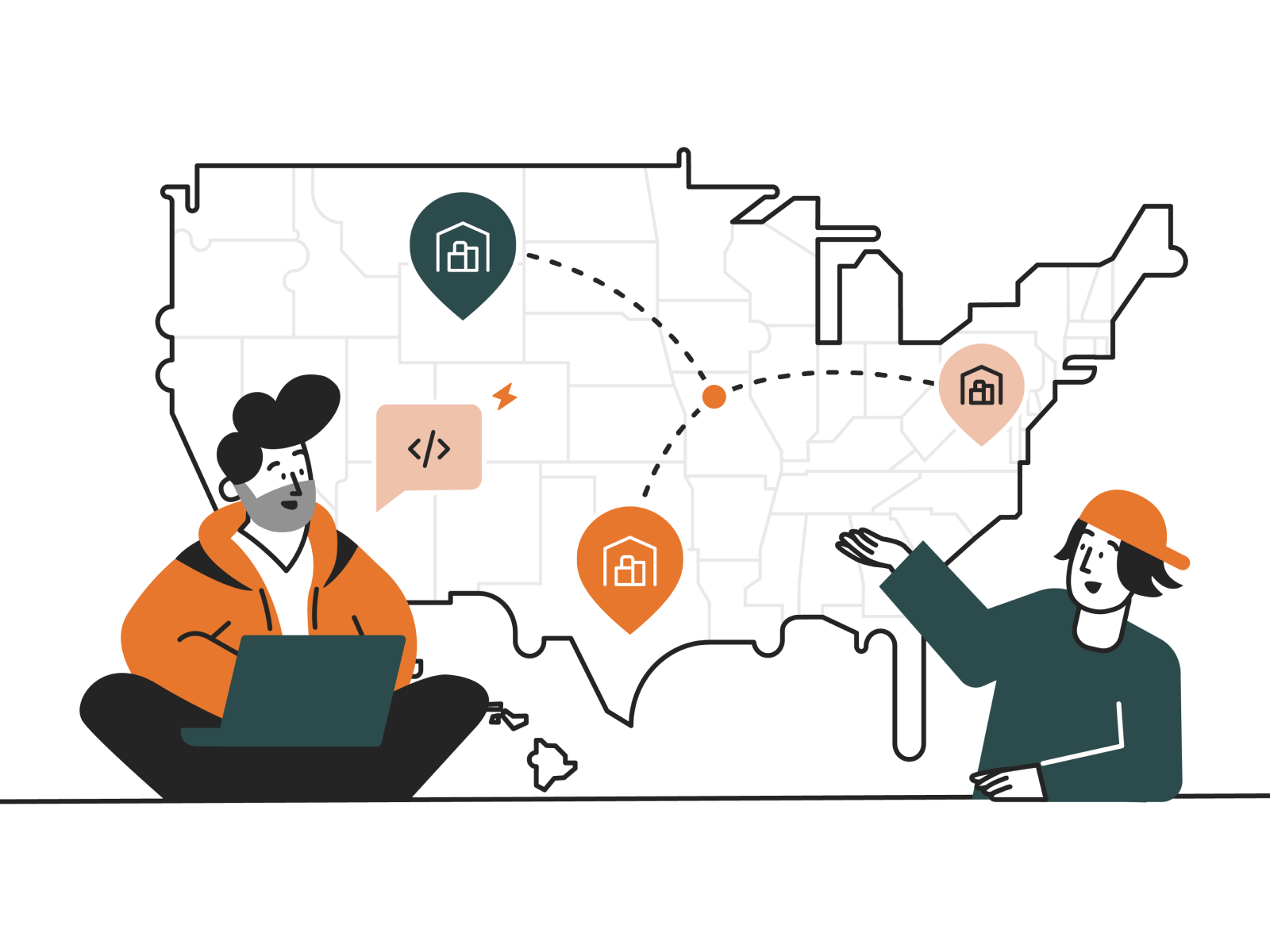
Illustration of Synctify’s smart order routing engine, showing a laptop triggering a lightning icon to automatically assign orders to optimal warehouses across the U.S.

The Growing Challenge of Multi-Warehouse Fulfillment As e-commerce businesses grow, managing inventory and fulfillment across multiple warehouses becomes a critical challenge. For U.S.-based sellers operating on platforms like Amazon, Shopify, Walmart, and Wayfair, one question must be answered with every new order: Which warehouse should fulfill this order—and why? Choosing the wrong warehouse can lead … Read more

Avoid Late Orders and Complaints: How Synctify Flags Overdue Orders Before It’s Too Late

A frustrated woman wearing a headset at a cluttered office desk, overwhelmed by customer complaints due to overdue orders. Three speech bubbles with icons—a thumbs down, a crossed-out clock, and an exclamation mark—illustrate the negative feedback. A wall clock behind her emphasizes the time-consuming nature of the issue.

In today’s fast-paced e-commerce landscape, on-time order fulfillment is more than a KPI—it’s a baseline expectation. Whether you’re selling on Amazon, Walmart, Wayfair, or The Home Depot, missing your expected ship date (ESD) doesn’t just mean a late package—it could result in penalties, platform demerits, or worse, negative customer reviews and chargebacks. For many sellers, … Read more

Stay Ahead of Order Issues: Synctify’s Proactive Exception Management Explained

An overwhelmed man looking at a laptop, surrounded by alert icons indicating various order issues — including out-of-stock items, invalid product listings, system errors, and address validation failures.

In the fast-paced world of online retail, smooth and timely order fulfillment is critical for maintaining customer satisfaction and avoiding penalties from major platforms. But even the best-run operations can encounter order exceptions — unexpected disruptions that can delay shipments, trigger cancellations, or impact your account health. At Synctify, we understand how important proactive exception … Read more

How to Eliminate Order Delays and Missed Orders: 5 Steps to Master Synctify’s Automated Order Updates

Frustrated man buried in paperwork while manually managing e-commerce orders.

Managing order updates manually can be time-consuming, error-prone, and costly for your eCommerce business. Late or missed orders damage customer trust, affect your online reputation, and ultimately impact your bottom line. Fortunately, leveraging automation through Synctify can streamline this process and significantly enhance your operational efficiency. In this comprehensive guide, we will outline the common … Read more

Making Order Cancellations Easier in E-Commerce | Automated Order Management

Order Cancellations in e-commerce

The Hassle of Manual Order Cancellations Order cancellations are a common challenge in e-commerce. Customers may change their minds, payment issues may arise, or stock may become unavailable. Handling these cancellations manually can be time-consuming, error-prone, and frustrating for both businesses and customers. Here are some common issues with manual cancellations: Why Automating Order Cancellations … Read more

Privacy Overview

This website uses cookies so that we can provide you with the best user experience possible. Cookie information is stored in your browser and performs functions such as recognising you when you return to our website and helping our team to understand which sections of the website you find most interesting and useful.

Strictly Necessary Cookies

Strictly Necessary Cookie should be enabled at all times so that we can save your preferences for cookie settings.

3rd Party Cookies

This website uses Google Analytics to collect anonymous information such as the number of visitors to the site, and the most popular pages.

Keeping this cookie enabled helps us to improve our website.