
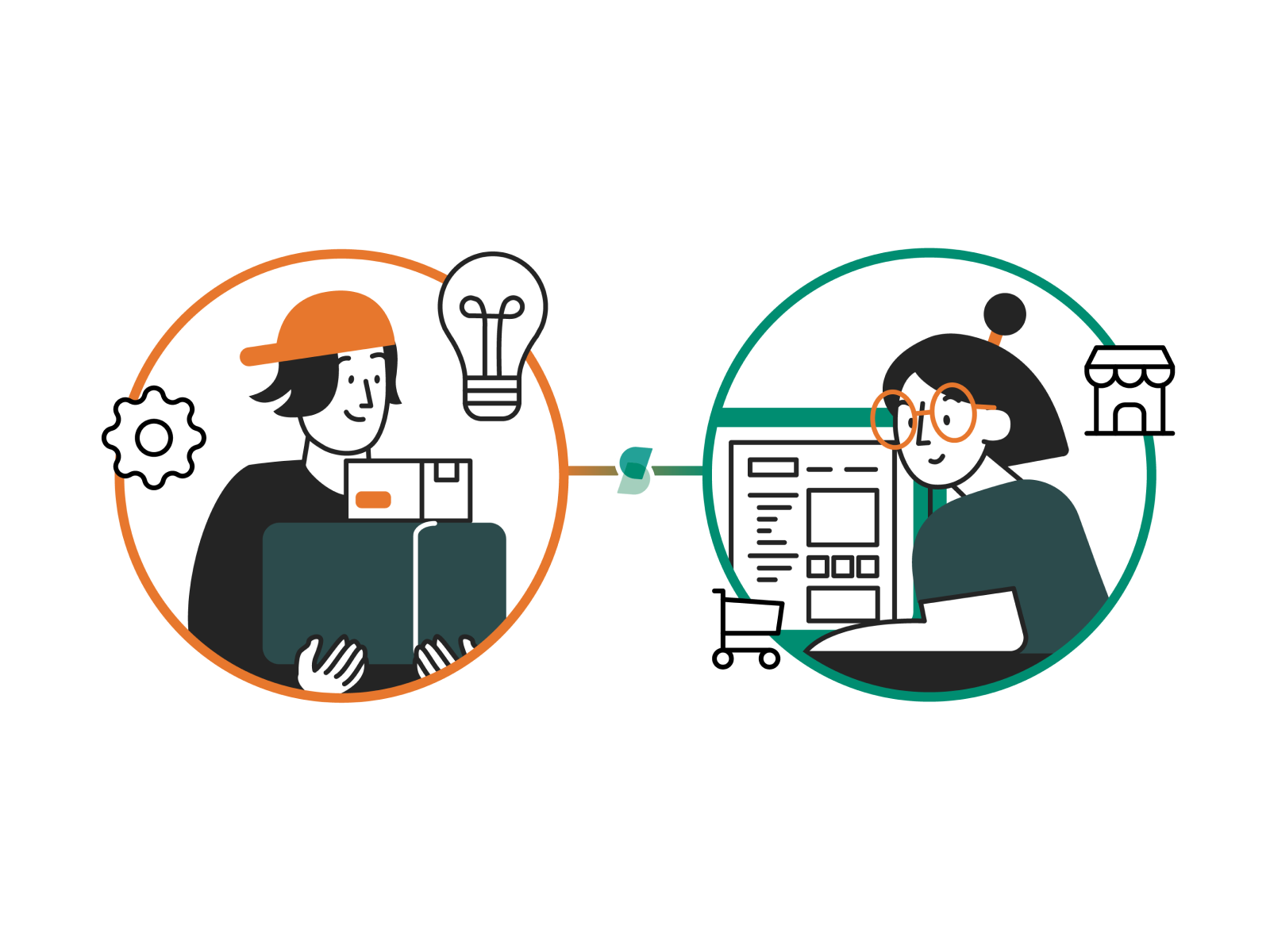
The Global Shift: From Supplying Brands to Becoming One
Across the world, manufacturers are rethinking their role in the value chain.
Instead of producing for other labels, many are now exploring direct-to-consumer(D2C) strategies—building their own brands and selling directly to end users through digital channels.
Why manufacturers are moving toward D2C models
This transformation promises higher margins, faster feedback, and stronger brand identity. Yet for many factory-based businesses, the transition from B2B supplier to B2C brand introduces new complexities that traditional systems were never designed to handle.
The Five Hidden Challenges Manufacturers Face
Moving into B2C isn’t just about opening an online store. It’s about creating an integrated, consumer-focused operation that connects production, marketing, and fulfillment. Common obstacles include:
- Brand Definition – Shifting from technical product specs to a story that resonates with consumers.
- Channel Fragmentation – Managing multiple online marketplaces and retail partners simultaneously.
- Disconnected Data – Production, inventory, and sales often exist in separate systems that don’t communicate.
- Consumer Expectations – Speed, personalization, and post-purchase engagement are now essential.
- Operational Overload – Handling many small orders instead of a few bulk shipments strains traditional workflows.
For many manufacturers, the question becomes: How can we integrate our systems and data to operate efficiently in the B2C world?
Integration: The Foundation of Successful B2C Transformation
What integration means for manufacturers
True digital transformation begins with integration. When systems are connected, every part of the business—from factory floor to customer feedback—moves in sync.
Benefits of connected commerce systems
Integration allows you to:
- Unify data across ERP, e-commerce, and logistics platforms.
- Automate workflows to eliminate repetitive manual updates.
- Gain visibility into real-time inventory and order performance.
- Deliver better customer experiences by ensuring accurate information and faster fulfillment.
These elements not only streamline operations but also improve search visibility and consumer trust, two critical factors for online growth.
How Synctify Bridges the Gap
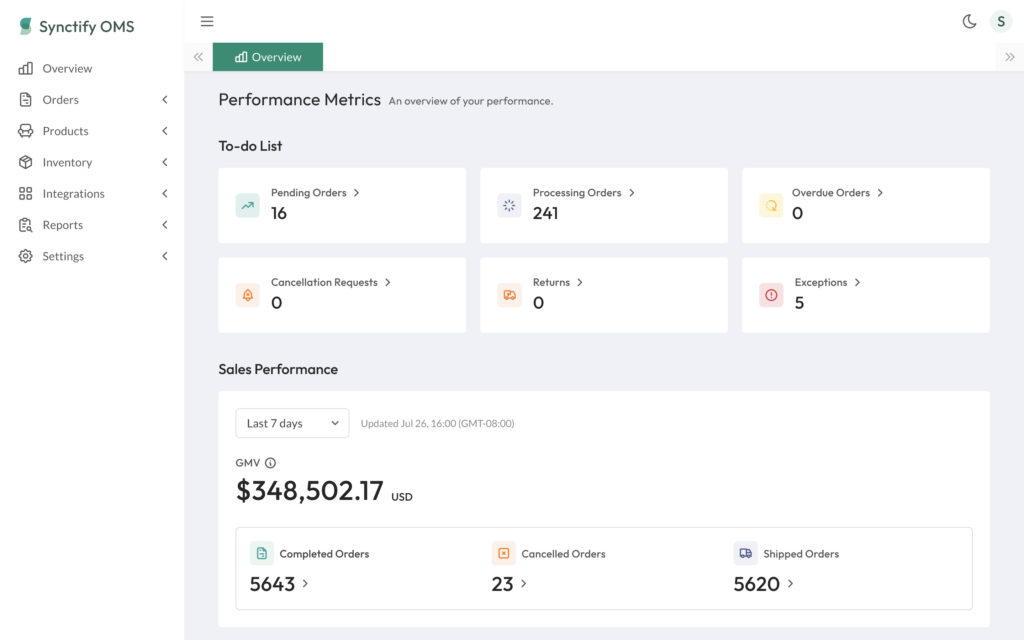
Connecting ERP to eCommerce—how Synctify makes it easy
Synctify provides a purpose-built integration solution for manufacturers stepping into the B2C arena.
By synchronizing product, order, inventory, and channel data in real time, Synctify enables manufacturers to manage multi-channel sales seamlessly—without replacing their existing ERP or production systems.
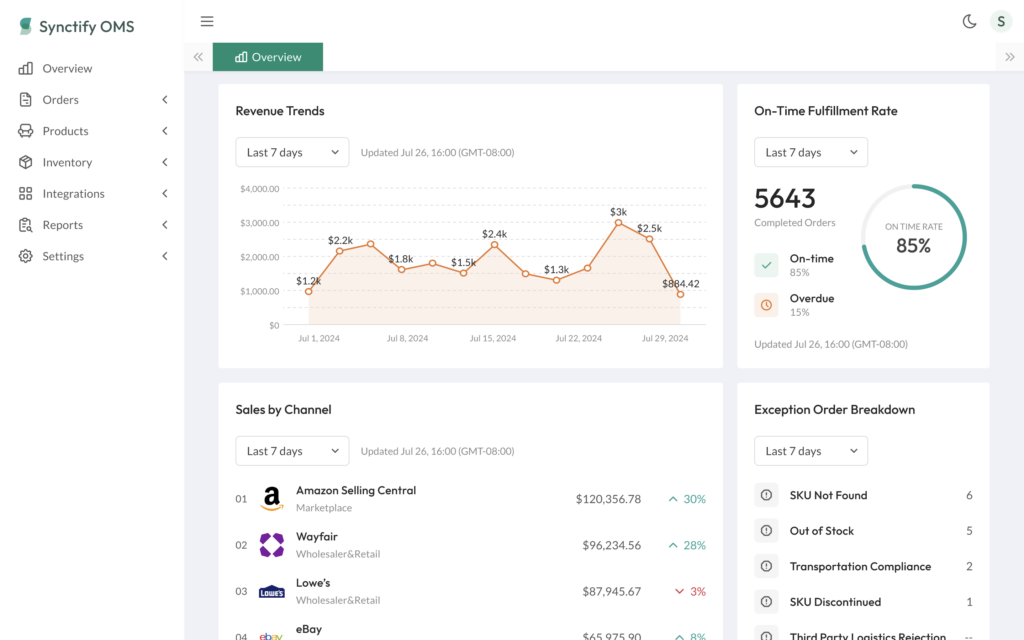
With Synctify, you can:
- Connect marketplaces like Amazon, Shopify, and Walmart to your internal systems.
- Monitor inventory, fulfillment, and sales performance from a unified dashboard.
- Make informed, data-driven decisions on inventory and sales performance.
- Scale from one online store to multiple effortlessly.
In essence, Synctify turns manufacturing complexity into operational clarity, helping you focus on building a recognizable brand rather than fighting disconnected tools.
Building the Future: Manufacturers as Connected Brands
Why integration-first brands will win the next decade
The next generation of successful manufacturers will be both industrial and digital—efficient in production yet agile in consumer engagement.
By adopting an integration-first approach with Synctify, you create a foundation for brand storytelling, faster delivery, and scalable growth.
Your factory can remain what it does best—producing quality goods—while Synctify ensures every part of your commerce ecosystem stays in sync.
If you’re ready to move from B2B supplier to B2C brand, contact our team to integrate, connect, and grow with Synctify.
Subscribe to Our Newsletter
Get the latest releases, news and more!